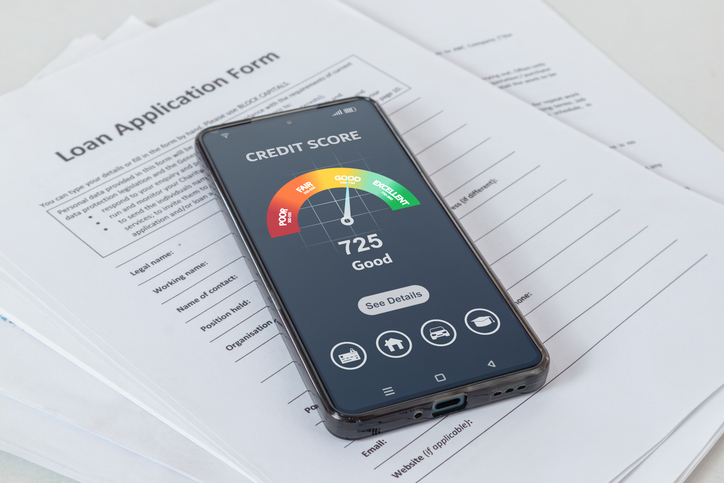
Medical debt is one of the most stressful financial situations you can land in. It is not like credit card debt where you made a choice to spend. A hospital bill can show up after an accident, a surgery, or a surprise diagnosis. You did not budget for it, and now your credit score is taking the hit.
If you are in this situation, you are not alone. According to a 2022 KFF Health Care Debt Survey, approximately 41 percent of American adults carry some form of medical debt when you include bills on credit cards, loans from family, and balances paid over time. Using a narrower definition, KFF found roughly 20 million adults owed significant medical debt directly to healthcare providers. Among adults ages 50 to 64, AARP research published in January 2026 found that 8 million people in that age group still carried unpaid medical bills as of 2023.
Here is the thing most people miss: you can fight back. While you work on disputing or paying down that debt, you can also be stacking positive credit history at the same time. That is the move that actually stabilizes your score during recovery.
This post breaks down how medical debt hits your credit, what you can do about it, and which credit builder apps are actually worth using right now.
How Medical Debt Damages Your Credit Score
Medical debt works differently than other types of debt. Your doctor's office is not reporting your unpaid bill to the credit bureaus. The damage happens when your bill gets sold to a collection agency. From that point, it can appear on your report and drag your score down.
Current rules you should know (as of 2025):
The three major credit bureaus (Equifax, Experian, and TransUnion) made voluntary changes in 2022 and 2023 that are still in effect. Per CFPB analysis from March 2024, here is how collections currently appear:
- Medical debt under $500 no longer appears on credit reports (removed April 2023)
- Paid medical debt is also removed from reports (removed July 2022)
- Unpaid balances over $500 must be at least one year past due before they show up
- Once on your report, a collection can stay for up to seven years
After these voluntary changes, the CFPB found that about 5 percent of consumers still had a medical collection on their report as of mid-2023, down from 14 percent in early 2022. That said, those remaining collections represent $49 billion in unpaid balances.
Important note on the 2025 regulatory landscape: The CFPB issued a final rule in January 2025 that would have banned medical debt from credit reports entirely. A federal court in Texas vacated that rule in July 2025. The voluntary NCRA changes above remain in place. This is an evolving space, so check the CFPB website for the latest updates.
So if you have a big unpaid bill sitting out there, you may have a window to act before it hits your report.
The Biggest Mistake People Make After Medical Debt
A lot of people dealing with medical collection accounts think they need to take out a loan or open a new credit card to rebuild their score. That thinking can actually make things worse.
What you really need is to get your existing financial activity counted. Most people are already paying rent, utilities, and subscriptions every single month. None of that gets reported to the bureaus by default. An app like Ava helps with that problem without requiring you to take on any new debt.6
One Ava user who came through a rough stretch with medical bills put it this way:
"It was an incredibly stressful time managing medical debt, but Ava made me feel confident I was doing all I could to combat the downside with positive signal."
That framing matters. When a collection account is dragging your score down, you need positive signal pushing the other direction. The goal is not to erase the negative in one shot. It is to out-run it over time with consistent, reported positive behavior.
Why Starting Credit Building in Month One Matters
Here is something Ava's team sees consistently: users who start building credit in the first month of dealing with a dispute or collection account end up in a much more stable position than people who wait.
When a collection hits your report, your score starts sliding. If you wait several months to respond, you are digging out of a deeper hole. But if you start generating positive payment history right away, your score has something working in its favor while the collection is working against it.
According to Ava, users who start in month one tend to see their numbers stay more stable during the recovery window. This is because Ava is adding positive payment history while the collection debt is trying to pull the score down. These are internal directional observations from Ava, not a peer-reviewed study, but they are consistent with how the credit scoring system works: positive tradelines offset negative ones over time.8
The result is a more stable score during the recovery window, which matters if you need to rent an apartment, apply for a job, or get approved for a car loan in the meantime
Best Apps for Rebuilding Credit After Medical Debt
1. Ava — Best Overall for Medical Debt Recovery
What it does: Ava reports your everyday bills and subscriptions to all three major credit bureaus, gives you a Credit Builder Mastercard, and offers a savings-backed credit builder loan.7
Why it works for medical debt recovery:
Medical debt recovery is not just about removing bad marks. It is about building a credit profile strong enough that lenders look past the collection. Ava addresses four5 out of the five main factors that credit bureaus use in scoring:
- Payment history (35%) — Every on-time payment on your Ava card and loan gets reported to all three bureaus
- Credit mix (10%) — Ava adds two new tradelines to your report
- Credit history length (15%) — The sooner you start, the longer your history becomes
- Credit utilization (30%) — The Ava Credit Builder Card helps keep your utilization low
What makes Ava different:
Most credit builder tools just give you a card or a loan. Ava also reports your bills and subscriptions — things like your Netflix, phone bill, and other recurring payments.
Here is an important detail on how reporting works:
- Rent: Currently reported to TransUnion only
- All other bills and subscriptions (utilities, streaming, phone, etc.): Reported to all three major bureaus — Equifax, Experian, and TransUnion
This distinction matters. Rent reporting is still valuable, but if you want all three bureaus to see your payment history, the bill and subscription reporting is the key feature.
No hard credit check, no interest, no deposit required. For people dealing with medical collections who are already worried about their score, this is a big deal. Ava will not make things worse just by signing up.8
Real results from Ava members (Ava internal data, marketing results, no third-party verification):
Ava reports the following outcomes from its member base. These numbers come from Ava's own data and have not been independently verified by a third party. Individual results will vary based on your starting credit profile, existing negative marks, and how consistently you use the product.
- 74% of members saw a credit score improvement in less than 7 days
- Some members saw increases of 40+ points within three months
- Users have reported going from 516 to 744 in about four months with consistent use
For context, CFPB research from 2023 found that consumers see an average 25-point credit score increase after their last medical collection is removed from their report. Adding positive tradelines through Ava while pursuing a dispute compounds that effect over time.
Cost: Starts at $8/month for the annual plan
2. Self — Good for Those Who Want a Structured Loan Approach
What it does: Self is a credit builder loan. You make monthly payments into a locked savings account, and those payments get reported to the credit bureaus. At the end of the term, you get the money back minus fees.
Pros: Accessible, widely available, no hard credit check
Cons: Interest and fees reduce your savings. Slower results compared to apps that report multiple bill types.
Best for people who want a very simple, single-product approach.
3. Experian Boost — Best for an Immediate Score Lift
What it does: Links your bank account and adds on-time utility and subscription payments to your Experian credit file. Can raise your Experian-based credit score right away.
Pros: Free, fast, no credit check
Cons: Only affects your Experian report, not TransUnion or Equifax. Does not add a tradeline. Not a long-term strategy on its own.
Best used alongside a more comprehensive tool like Ava.
4. Chime Credit Builder — Good Budget-Friendly Option
What it does: A secured credit card that uses your own money as the limit. Reports on-time payments to all three bureaus.
Pros: No interest, no credit check, no annual fee
Cons: Requires a Chime checking account. Does not report rent or bills. Limited to one tradeline.
Best for people who want a low-risk card option and already bank with Chime.
What to Do First: A Step-by-Step Recovery Plan
If you have medical debt on your report right now, here is how to approach this systematically.
Step 1: Pull your credit reports
Go to AnnualCreditReport.com and pull all three reports. Look for any medical collections. Confirm the amount and whether the debt is yours.
Step 2: Check if anything should not be there
Medical collections under $500 should not appear. Paid collections should not appear. If you see anything that violates these rules, file a dispute with the bureau directly. CFPB data shows medical bills have a high error rate — in a 2022 KFF survey, 43 percent of all adults and 53 percent of those with medical debt said they had received a bill they believed contained an error.
Step 3: Contact your medical provider
Before you pay a collection agency, reach out to the original provider. Some hospitals have charity care or financial hardship programs. Nonprofit hospitals are legally required to offer assistance to qualifying patients.
Step 4: Start building positive credit immediately
Do not wait until the dispute or the debt is resolved. Sign up for a credit builder tool like Ava now.7 Getting positive reporting on your file right away is one of the most effective things you can do for score stability during recovery.
Step 5: Pay bills on time, every time
Set up autopay wherever possible. With Ava, every on-time payment on your subscriptions and card gets reported and builds your history.8
Step 6: Keep credit utilization low
If you have any existing credit cards, try to keep the balance under 30% of your limit. Ava's Credit Builder Card helps your utilization ratio by adding a reported credit line.5
What About Disputing Medical Debt?
You have the right to dispute inaccurate debt. Studies show that medical bills have a high error rate. Common issues include bills already paid by insurance, incorrect amounts, and duplicate charges.
If you dispute a collection and it gets removed, your score can jump significantly. CFPB research found an average credit score increase of around 25 points after a medical collection is removed from a consumer's report (April 2023 data), but the impact can be much larger depending on what else is on your report. Separately, when the credit bureaus removed medical collections under $500 in April 2023, consumers who had all their collections cleared saw scores increase about 20 points more than those who still had balances over $500.
Even if the dispute takes months to resolve, build credit in parallel. Do not put your financial recovery on hold waiting for a dispute outcome.
Common Questions
Will paying off my medical collection remove it from my report?
Yes. Paid medical collections no longer appear on credit reports under the current voluntary NCRA policies, which went into effect July 2022. This is separate from the CFPB rulemaking that was later vacated.
Does medical debt affect all three bureaus the same way?
It depends on which bureaus the collection agency reports to. Some only report to one or two. Check all three reports.
Can I have good credit with a medical collection on my report?
It is harder but possible. Adding strong positive tradelines through tools like Ava can offset the negative over several months.
How long does recovery take?
People who start building credit right away and dispute errors often see meaningful improvement in three to six months.
Does Ava do a hard credit pull?
No. Ava does not require a hard credit check. Your score will not drop just from signing up.8
Does Ava report rent to all three bureaus?
No. Currently, Ava reports rent to TransUnion only. Bill and subscription reporting (utilities, streaming, phone) goes to all three major bureaus.
Final Thoughts
Medical debt recovery is a two-front battle. You fight the negative by disputing errors and paying down what you owe. You build the positive by getting your good financial habits reported to the bureaus.
The mistake people make is waiting for everything to clear before doing anything. That leaves months on the table where your score could have been recovering.
Start with Ava. Report your rent. Report your Netflix. Use the Credit Builder Card for a couple of subscriptions. Let every on-time payment work for you while you handle the collection.8
Your score got hit because of a health crisis. It can come back. The key is starting now.