If you've ever wondered what happens when someone steals your Social Security number and tries to open a credit card in your name, the answer is: a whole lot of headache. Disputing fraudulent accounts, contacting lenders, filing police reports, it can take months or even years to clean up. A credit freeze is the single most effective tool to prevent that from happening in the first place.
Here's everything you need to know about credit freezes — what they are, how they work, when to use one, and how to set it up today.
What Is a Credit Freeze?
A credit freeze (also called a security freeze), is a free tool that restricts access to your credit report. When a freeze is in place, lenders and creditors can't pull your credit file to process new account applications. No credit report access means no new accounts can be opened in your name.
It's one of the strongest protections available against identity theft, and the best part? It's completely free, it doesn't hurt your credit score, and it lasts until you decide to lift it.
How Does a Credit Freeze Work?
When you apply for a credit card or loan, the lender pulls your credit report from one (or all three) of the major credit bureaus: Equifax, Experian, and TransUnion. That report tells them whether you're a reliable borrower.
When your credit is frozen, the bureau blocks that report from being shared with the lender. Without access to your report, the lender can't approve the application. So even if a thief has your name, Social Security number, and address, they can't open new credit accounts in your name.
Think of it like a deadbolt on your credit file. The information is still there — it just can't be accessed by anyone trying to open new accounts.
Who Can Still See Your Frozen Credit Report?
A credit freeze doesn't seal your file completely. The following parties can still access it:
- Your current creditors: They can still manage your existing accounts
- Certain government agencies: Such as child support enforcement agencies
- Companies you've hired to monitor your credit
- Employers, landlords, and insurance companies: For background and screening purposes (these checks aren't covered by the federal freeze law)
- You: You can always access your own credit report, even when frozen
The takeaway: a freeze only blocks new credit applications, not access to your existing accounts or other legitimate uses.
Does a Credit Freeze Affect My Credit Score?
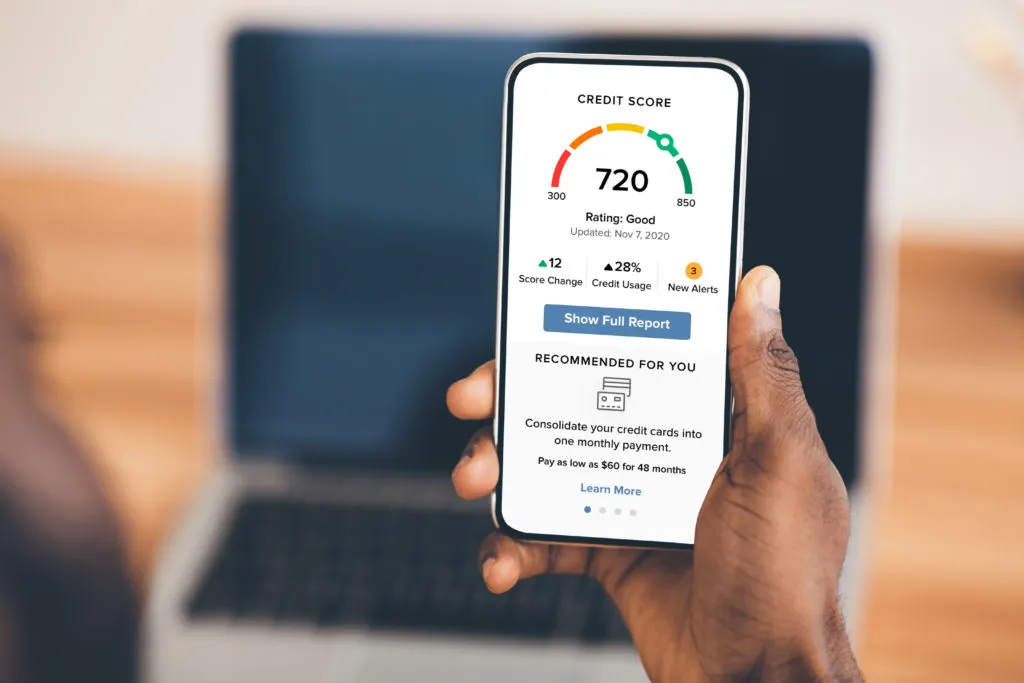
No. A credit freeze has zero impact on your credit score. Your score keeps updating normally, your payment history, credit utilization, and account age all continue to be factored in.
You can also still use your existing credit cards and loans as usual. A freeze only affects the opening of new accounts.
How Much Does a Credit Freeze Cost?
It's free. Thanks to federal law (specifically the Economic Growth, Regulatory Relief, and Consumer Protection Act), all three major credit bureaus are required to let you place and lift a credit freeze at no cost. You don't need to subscribe to a credit monitoring service or pay for any premium tier. Just go directly to each bureau's website and request one.
Why Is a Credit Freeze Important?
Let's put the threat into perspective. The FTC reported that people lost more than $12 billion to fraud in 2024. Identity theft is consistently one of the most common consumer complaints filed with federal agencies every year.
When someone steals your personal information, their fastest path to profit is opening new credit accounts in your name, credit cards, personal loans, auto loans. If your credit is frozen, that path is blocked.
Here's why a credit freeze matters even if you haven't been a victim yet:
Quick summary — top reasons to freeze your credit:
- Prevents new account fraud: blocks lenders from opening accounts in your name without your knowledge
- Costs nothing: federally required to be free at all three bureaus
- Zero credit score impact: your score keeps updating normally while frozen
- Easy to manage: lift it online or by phone in under an hour when you need to apply for credit
- Lasts until you remove it: no expiration, no renewals required
- Doesn't affect existing accounts: your current cards and loans work exactly as normal
1. Data Breaches Are Unavoidable
Major companies, (retailers, healthcare providers, government agencies), are breached regularly. Your data may already be out there from a breach you don't even know about. A credit freeze proactively protects you whether or not your information has been compromised.
2. It Stops Identity Theft at the Source
Most identity theft involving credit fraud requires a lender to pull a credit report. Freeze that report, and you cut off the most common method thieves use to cause financial damage.
3. It Doesn't Cost You Anything — Not Money, Not Your Score
There's genuinely no downside to having a freeze in place. It doesn't lower your score, it doesn't affect your existing accounts, and it's completely reversible. The only "inconvenience" is temporarily lifting it when you actually want to apply for new credit, which takes less than an hour online.
4. It Protects Proactively, Not Reactively
Disputing fraudulent accounts after the fact can take months. A credit freeze stops the problem before it starts. Prevention is always easier than cleanup.
When Should You Freeze Your Credit?
You don't need to be a victim of identity theft to benefit from a credit freeze. Anyone can place one at any time, for any reason. That said, here are the situations where it's especially worth doing right away:
- Your info was exposed in a data breach: This is the most urgent reason. Act fast.
- You notice unfamiliar accounts on your credit report: A sign someone may already be using your identity.
- You received bills or collection notices for things you didn't purchase
- You saw unauthorized withdrawals from your bank account
- You're just not planning to apply for new credit anytime soon, If you're not shopping for a new card or loan, keep the freeze on as a default.
How to Freeze Your Credit: Step-by-Step
You need to freeze your credit at all three bureaus separately. Freezing it at one doesn't freeze it at the others, and lenders can use any bureau. Here's how to do it (also outlined at USA.gov):
Equifax
- Online: equifax.com/personal/credit-report-services/credit-freeze
- Phone: 888-298-0045
- Mail: Equifax Information Services LLC, P.O. Box 105788, Atlanta, GA 30348-5788
Experian
- Online: experian.com/help/credit-freeze
- Phone: 888-397-3742
- Mail: Experian Security Freeze, P.O. Box 9554, Allen, TX 75013
TransUnion
- Online: transunion.com/credit-freeze/credit-freeze-faq
- Phone: 800-916-8800
- Mail: TransUnion, P.O. Box 160, Woodlyn, PA 19094
What you'll need: Your Social Security number, date of birth, addresses from the last two years, and a government-issued ID. Online is the fastest, most freezes go into effect within one business day.
How to Unfreeze Your Credit (When You Need To)
A credit freeze is meant to stay in place indefinitely, but it's easy to lift when you need it. Contact the bureau(s) where you have a freeze and request a "thaw." You can choose:
- Temporary lift: Unfreeze for a specific time window (great if you're shopping for a mortgage or car loan)
- Permanent lift: Remove the freeze completely
Timing:
- Online or by phone: Bureaus must lift the freeze within one hour
- By mail: Up to three business days
Pro tip: Before you apply for a new credit card or loan, ask the lender which bureau they use. You may only need to lift the freeze at one bureau, you don't always have to thaw all three.
What Are the Top Mistakes to Avoid When Freezing Your Credit?
Even people who know about credit freezes can slip up on the details. Here are the most common mistakes, and how to avoid them:
- Only freezing one bureau. Lenders can pull from any of the three major bureaus. If you freeze at Equifax but not Experian or TransUnion, a thief can still open an account using the unfrozen bureau. Fix: Freeze all three: Equifax, Experian, and TransUnion, every time.
- Losing your PIN or account credentials. Some bureaus issue a PIN to lift or manage your freeze. If you lose it, recovering access can be a slow process involving identity verification by mail. Fix: Save your PIN and login credentials somewhere secure (a password manager works great) right when you set up the freeze.
- Forgetting to unfreeze before applying for credit. If you apply for a credit card or loan without lifting your freeze first, the lender can't pull your report — and your application gets denied. Fix: Ask the lender which bureau they use and lift just that one freeze at least 24 hours before applying.
- Assuming a freeze protects against all identity theft. A credit freeze only blocks new account fraud. It won't stop someone from using your existing card number, committing tax fraud in your name, or accessing your bank account. Fix: Combine your freeze with regular account monitoring, strong passwords, and two-factor authentication.
- Not freezing your child's credit. Kids are actually prime targets because no one's watching their credit. Fraud can go undetected for years. Fix: If your child is under 16, contact each bureau to place a freeze on their behalf.
- Thinking it expires. Some people set a freeze and then worry they need to renew it. You don't. Fix: A credit freeze stays in place indefinitely — until you choose to lift it.
What Are the Best Consumer Fintech Apps for Credit Freeze Services?
The official way to freeze your credit is always directly through each bureau, but several fintech apps and tools can make the process easier to track or remind you to take action. Here's how the most popular options stack up:
Important note: Third-party apps can guide you through the freeze process or link you to bureau portals, but they cannot place or lift an official credit freeze on your behalf. Only the bureaus themselves can do that.
Official Bureau Apps & Portals
The most reliable option is always going straight to the source:
- Equifax: Manage your freeze at equifax.com/personal/credit-report-services/credit-freeze. The myEquifax app also lets you lock your credit (similar to a freeze but Equifax-specific).
- Experian: Freeze and unfreeze at experian.com/help/credit-freeze. Experian also offers a free "CreditLock" feature in its app as an alternative.
- TransUnion: Manage freezes via transunion.com/credit-freeze/credit-freeze-faq. TransUnion's app includes a credit lock toggle for quick on/off access.
Credit Karma
Credit Karma monitors your TransUnion and Equifax credit reports and will alert you to suspicious activity, like a new account you didn't open. It doesn't place freezes for you, but it's a solid companion tool for staying aware of what's happening on your credit reports. If something looks off, it points you to the right bureau to act.
WalletHub
WalletHub offers 24/7 credit monitoring and alerts, plus educational resources on credit freezes and fraud. Like Credit Karma, it monitors and alerts, it doesn't initiate official freezes. Think of it as a watchdog that tells you when to act.
Bottom line on apps: For the actual freeze, go directly to each bureau's website or app. Use fintech tools like Credit Karma or WalletHub as your early warning system so you know when a freeze (or lift) is warranted.
Can You Freeze Your Child's Credit?
Yes, and it's actually a smart move many parents overlook. Children don't have credit files, which makes them easier targets for identity theft, no one's monitoring their name, and the fraud can go undetected for years.
If your child is under 16, you can request a credit freeze on their behalf at all three bureaus. Since the child likely doesn't have a credit file yet, the bureau will create one just to freeze it. The freeze stays in place until you or your child (once they turn 18) removes it.
What a Credit Freeze Won't Protect You From
It's important to be clear: a credit freeze is powerful, but it's not a complete security solution. Here's what it doesn't cover:
- Fraud on your existing accounts: If someone steals your credit card number and goes on a shopping spree, a freeze won't stop that. Monitor your statements regularly.
- Tax fraud: Filing a fake tax return in your name isn't stopped by a credit freeze.
- Utility or bank account fraud: Though you can also freeze your ChexSystems and NCTUE reports separately for added protection.
- Phishing and password theft: A freeze protects your credit file, not your login credentials.
Use a credit freeze alongside other security habits: strong passwords, two-factor authentication, and regular credit report checks.
How Does This Connect to Building Credit?
Here's a question worth asking: If my credit is frozen, can I still work on building or improving my credit?
The answer depends on the product. Some credit-building tools (like secured loans or rent reporting), don't require a hard credit check at all, which means a credit freeze doesn't get in the way.
Tools like Ava's Credit Builder Mastercard and its 12-month savings-backed credit builder loan work with no hard credit check, so they won't be blocked by a freeze. You can keep your credit protected while still making real progress toward a stronger credit score. Ava also reports to all three major credit bureaus (Equifax, Experian, and TransUnion), meaning every on-time payment counts toward your credit history whether your file is frozen or not.
That's the ideal setup: your credit file stays locked against unauthorized access while you're actively building it from the inside out.
Quick Reference: Credit Freeze FAQs
Does a credit freeze hurt my credit score?
No. Zero impact on your score.
Is a credit freeze really free?
Yes. All three bureaus are required by federal law to freeze and unfreeze your credit at no cost.
How long does a credit freeze last?
Until you lift it. There's no expiration date.
Can I still use my existing credit cards with a freeze in place?
Yes. A freeze only affects applications for new accounts.
Do I need to freeze my credit at all three bureaus?
Yes. Lenders can use any bureau, so you need freezes at all three for full protection.
How fast can I unfreeze my credit?
Within one hour if you request online or by phone.
What if I've never been a victim of identity theft — should I still freeze my credit?
Absolutely. A credit freeze is proactive protection. You don't need to be a victim to benefit from it.
What Are the Top Misconceptions About Freezing Your Credit?
A lot of people avoid credit freezes because of things they've heard that simply aren't true. Let's clear them up.
- Myth: A credit freeze hurts your credit score.
Fact: Zero impact on your score. Your payment history, utilization, and account age all keep updating normally. The FTC confirms this — a freeze only blocks new account applications, nothing else.
- Myth: Credit freezes cost money.
Fact: They're completely free at all three bureaus — Equifax, Experian, and TransUnion. Federal law has required this since 2018. You don't need a credit monitoring subscription or any paid service to place or lift one.
- Myth: Unfreezing your credit is a huge hassle.
Fact: You can lift a freeze online or by phone in under an hour. Bureaus are legally required to process the lift within one hour of an online or phone request. It's genuinely not a big deal.
- Myth: One freeze covers all three bureaus.
Fact: You have to freeze your credit separately at Equifax, Experian, and TransUnion. Lenders can pull from any bureau, so all three need to be frozen for full protection.
- Myth: A credit freeze protects you from all fraud.
Fact: A freeze only blocks new account fraud. It won't stop someone from using your existing credit card number, filing a fraudulent tax return, or stealing your login credentials. It's one layer of protection — an important one — but not a complete solution on its own.
- Myth: You need to be an identity theft victim to use a credit freeze.
Fact: Anyone can freeze their credit at any time, for any reason. It's a proactive tool, not a reactive one. If you're not actively applying for new credit, there's no reason not to have one in place right now.
What Is the Bottom Line on Credit Freezes?
A credit freeze is one of the most powerful, completely free tools available for protecting your financial identity, and most people still haven't set one up. It doesn't hurt your credit, doesn't affect your existing accounts, and can be lifted in minutes when you actually need to apply for something.
If you're not actively shopping for new credit right now, there's no reason not to have one. Go freeze your credit at all three bureaus today. Future you will be grateful.
And if building or rebuilding your credit is on your radar, remember: the right tools make it possible to protect your credit and grow it at the same time.